
If you are finding that your procurement efforts are falling flat, the culprit is often poor tender visibility. When potential bidders can’t find your opportunities, you end up with zero bids. In this guide, we explore how to increase tender visibility to ensure your project gets the attention it deserves.
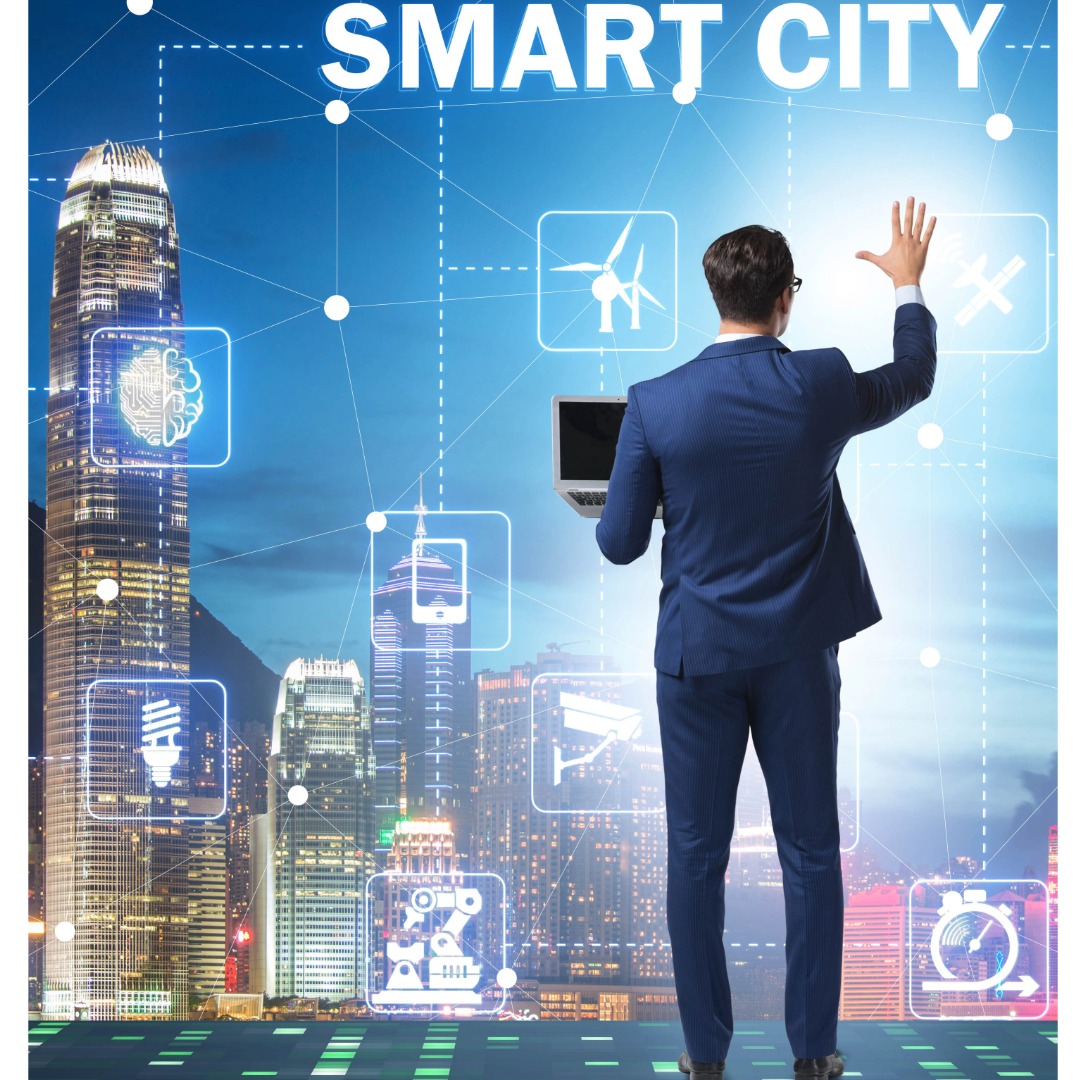
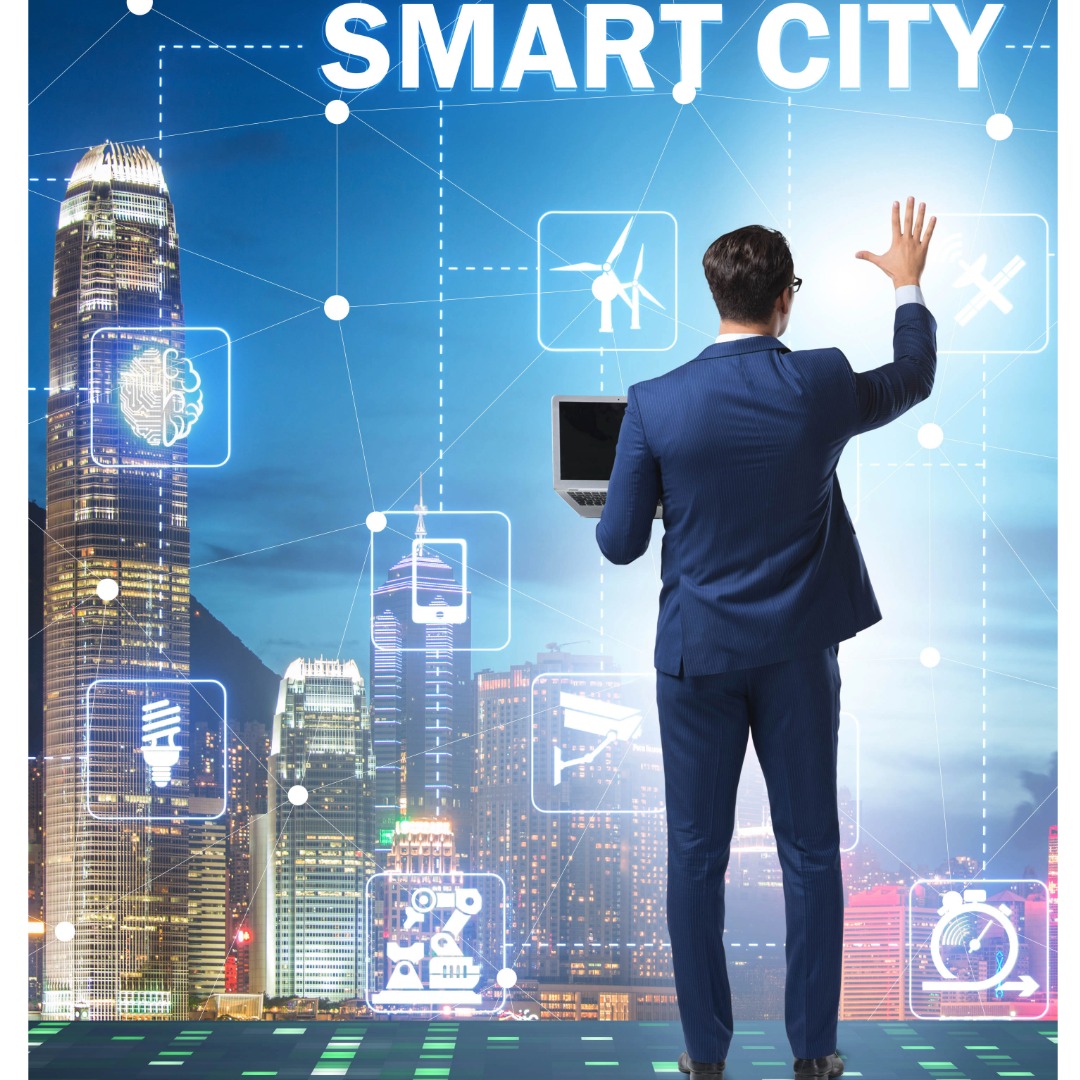
In 2026, the dream of the “Smart City” has evolved. We are no longer just talking about public Wi-Fi in parks or a few electric buses. Today’s leading urban centers are hyper-connected ecosystems utilizing AI-driven digital twins, autonomous vehicle corridors, and virtual power plants.
But there is a billion-euro problem: Innovation moves faster than municipal budgets.
While the technology for a zero-emissions, AI-optimized city exists, the traditional “Public Expense” model is broken. Strained budgets and shrinking grants mean that if a Public Authority wants to build the future, they cannot do it alone. The “Smart City” of 2026 doesn’t just need smart tech; it needs Smart Funding.
The Shift: From “Public Expense” to “Investable Asset”
The biggest mistake a Public Authority can make is viewing smart infrastructure solely as a cost center. In the modern economy, a smart utility grid or a sensor-driven waste management system is a high-value asset that generates data, efficiency, and long-term savings.
To unlock the billions needed for urban transformation, authorities must shift their perception. You aren’t asking for a handout; you are presenting a credible investment opportunity to the private sector.
Why Investors are Hungry for “Smart” Infrastructure:
• Predictable Returns: Projects like AI-powered traffic enforcement or smart energy grids offer measurable ROI through reduced violations, lower energy waste, and increased efficiency.
• ESG Alignment: Institutional investors are under immense pressure to deploy “Green Capital.” A smart city project is the ultimate ESG-compliant asset.
• Resilience: In an era of climate volatility, a city with a decentralised microgrid or an automated flood-response system is a safer bet for long-term real estate and commercial investment.
Unlocking Private Capital via Invest Business
The “Funding Gap” is often just a “Communication Gap.” Public Authorities have the projects, and Financial Institutions have the capital—but they rarely speak the same language. Invest Business acts as the translator and the bridge.
How to Fund Your Urban Vision:
• Early Investor Engagement: Don’t wait until a project is fully designed to look for money. Use the platform to connect with Financial Institutions during the planning phase. This ensures your project is “bankable” and aligned with market expectations from day one.
• Blended Finance Models: The most successful smart cities in 2026 use a mix of public funds, private equity, and sustainability bonds. Use the platform’s Smart Filtering to find partners who specialize in these complex, multi-layered financial structures.
• Showcase Your “Pipeline”: Instead of one-off projects, use the platform to present a long-term Investment Pipeline. Investors are more likely to connect with an Authority that has a 10-year roadmap for digital transformation rather than a single “pilot” project.
The Rise of “Availability-Based” PPPs
One of the most innovative funding trends in 2026 is the Availability-Based Public-Private Partnership (PPP). In this model, the private partner builds and maintains the smart infrastructure (like a 5G streetlight network), and the Public Authority pays them based on the system’s performance and availability.
If the sensors are working and the energy savings are hit, the private partner gets paid. This shifts the technical risk away from the taxpayer and onto the private sector, while the city gets the technology it needs without the massive upfront CAPEX.
3 Steps to Attract Smart Funding This Year
• Audit Your Data Assets: What data will your smart city project generate? In 2026, data is collateral. Highlight this when you connect with potential financiers.
• Create a “Bankable” Project Teaser: Use the platform to host a secure digital room containing your feasibility studies, risk-allocation frameworks, and projected social impact.
• Leverage Institutional Proof: If one Tier-1 bank has already signaled interest on the platform, use that connection to attract a consortium of investors. Success breeds success.
Conclusion: Don’t Wait for the Next Budget Cycle
The cities that win the 2020s won’t be the ones with the biggest tax base; they will be the ones with the best connections. By treating your urban infrastructure as a collaborative investment rather than a solitary burden, you open the door to limitless growth.
Stop looking at what you can afford today. Start looking at who you can connect with to build tomorrow.
🚀 Ready to fund the future of your city?
Turn your urban vision into a bankable reality. Connect with the capital and the expertise that makes “Smart” possible.
Start Your Funding Journey on Invest Business